Process discovery and mapping
A structured look at how work actually flows today. Not the process diagram from three years ago; the process people actually do. Where the steps are, where the handoffs are, where the delays live.
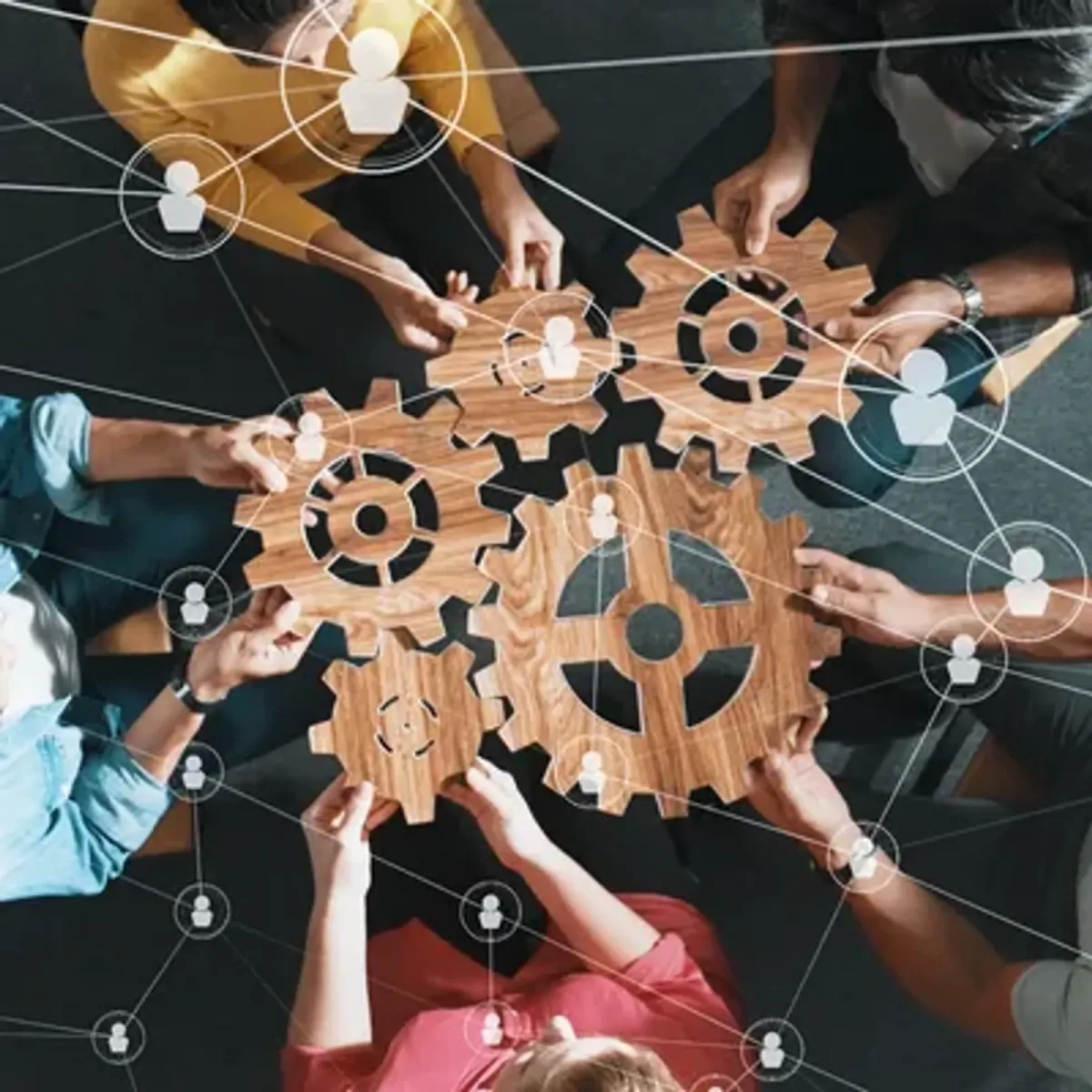
Fixing the process before adding the technology. Because automating a broken process just breaks faster and more expensively. We assess, restructure, and optimize business processes to eliminate unnecessary steps, inefficiency, risk, rework, and bottlenecks before any technology or automation gets applied.
A structured look at how work actually flows today. Not the process diagram from three years ago; the process people actually do. Where the steps are, where the handoffs are, where the delays live.
Every process has waste. Duplicate work, waiting time, unnecessary approvals, rework loops. We name it, size it, and prioritize it. Not everything gets fixed; the highest-leverage waste does.
The rebuilt version of the process, informed by industry benchmarks and by what your specific constraints allow. Documented, ownership-assigned, and ready to run before any automation gets bolted on.
A structured evaluation of what should be automated, what should stay human, and what needs process work before it can be automated at all. Prevents expensive automation of broken processes.
The documentation layer that makes the redesigned process durable. Clear enough that a new hire can follow it, precise enough that an AI agent can execute against it.
What to measure to know the redesigned process is working. Cycle time, error rate, cost per transaction. So you have a real baseline before AI or automation gets layered on.
A redesigned process only sticks if the people executing it were part of designing it. And the AI you build should execute the redesigned process, not the broken one. Process, people, and AI are three sides of the same coin.
Automating a broken process does not fix it. It makes the same mistakes faster, at higher volume, with less human attention on them, and with a much larger invoice attached.
We map what actually happens rather than what the flowchart claims. The steps nobody can justify, the rework loops, the double entry between systems, the approvals that add days and no value. Those come out first. What remains is worth automating.
It draws on the same disciplines but is scoped to what matters for AI transformation. We focus on getting processes clean enough that AI and automation can be applied safely and profitably, not on decades of continuous improvement.
Technically yes. Most organizations that skip this end up either abandoning the AI project or paying to redo it after realizing the process was the problem. The upfront cost of process work is almost always smaller than the downstream cost of skipping it.
No. Most engagements identify a handful of high-value processes that make the AI investment pay off, and leave the rest alone. We are looking for leverage, not busywork.
Depends on scope. A single process redesign is usually 4 to 8 weeks. A broader operational assessment across a business unit runs 8 to 16 weeks. We scope tightly and finish; we do not open-ended.
The redesigned process becomes the spec for the AI. When we build custom AI in the AI Software phase, the process work here is what the agents execute against. Straight line from process design to AI deployment.
Tell us what you are trying to solve on the process side. We respond within one business day.